The results of the 2025 Shanghai International Computational Biology Challenge were recently announced. The "Tianshi Quest" team, led by Mr. Sun Chang from the School of Artificial Intelligence at Tianjin Normal University (TNU), was awarded the second prize for their outstanding innovative capabilities and solid research foundation, achieving the second-highest overall score. This accomplishment adds another standout achievement to TNU's record in the field of artificial intelligence-aided drug discovery (AIDD). The award ceremony was held at the opening of BIO-FORUM 2025.
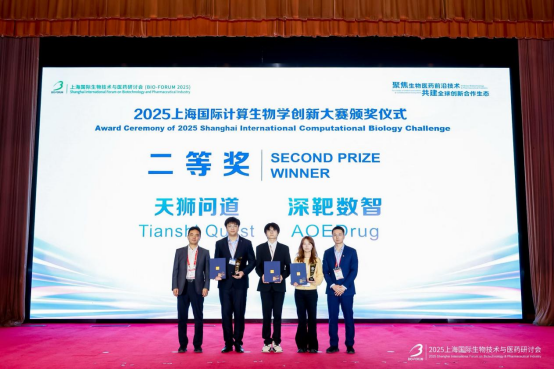
The "Tianshi Quest" team featured an impressive lineup, bringing together excellent researchers from multiple universities and academic levels. It included several outstanding students majoring in Artificial Intelligence and Computer Science and Technology. The team's remarkable performance in the competition demonstrated both the profound innovative strength and significant talent cultivation results of Mr. Sun Chang's team in the field of AIDD.
The competition attracted 118 teams from 23 provinces (autonomous regions, and municipalities) across China, as well as from countries including the United States, the United Kingdom, and Canada, culminating in the submission of 113 screened proposals and 6,944 candidate drug molecules.
The competition's core task—drug discovery targeting the hydroxycarboxylic acid receptor 1 (HCAR1)—represented a particularly tough challenge in scientific research. This target presented numerous R&D difficulties: on one hand, the lack of a known inhibited-state structure meant researchers had no reference molecules to work from; on the other hand, the complex binding properties of G protein-coupled receptor (GPCR) family proteins significantly increased the difficulty of modeling and screening. An even greater challenge was the "trade-off between advantages and disadvantages" existing between AI models and physical models—AI models offer fast screening speed but limited accuracy, while physical models provide strong interpretability but require massive computational resources.
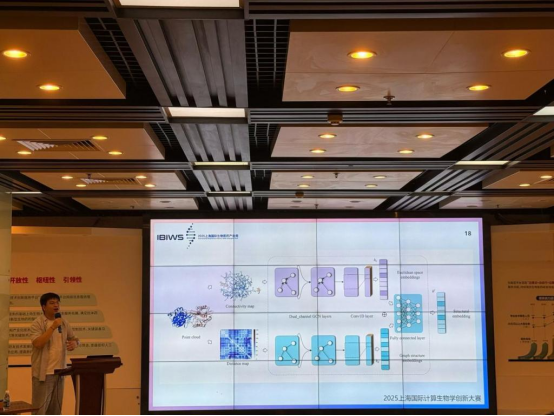
The "Tianshi Quest" team demonstrated highly efficient research capabilities and strong problem-solving prowess in this competition. Building on Mr. Sun Chang's latest research findings, the team successfully screened just 10 potential small-molecule drug candidates from a library containing tens of millions of molecules—all within a mere five days. Notably, subsequent biological experiments conducted by the competition organizers verified that two of the team's submitted 10 molecules exhibited specific inhibitory activity against the HCAR1 target. This result provides an important reference direction for future HCAR1-targeted drug discovery efforts.
By He Jierui



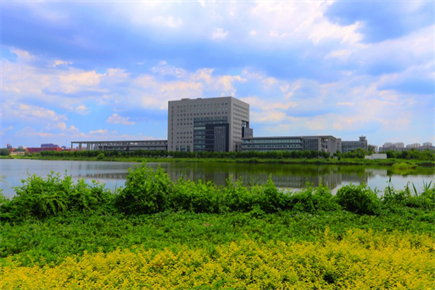 TNU is the only one of its kind in Tianjin that focuses on training high-quality teachers for basic education. It has rich educational resources, excellent facilities and equipment, a strong humanistic spirit, a beautiful and elegant environment.
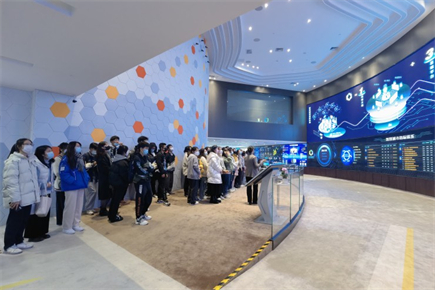 TNU has a complete range of disciplines and has outstanding advantages in its majors and has made significant achievements in cultivating talents.
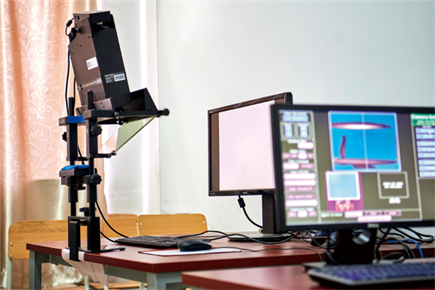 TNU has a strong research capacity with abundant high-quality research practice bases. They have been approved for over 300 national-level projects and won numerous national awards for outstanding achievements.
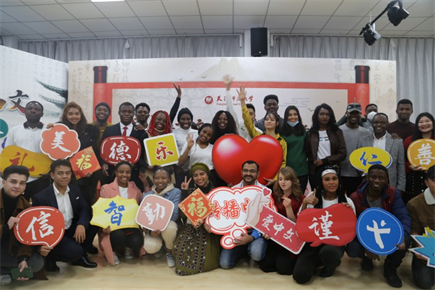 Read all of our latest news and opinion articles, and find out about our upcoming events which can enrich your life at TNU.
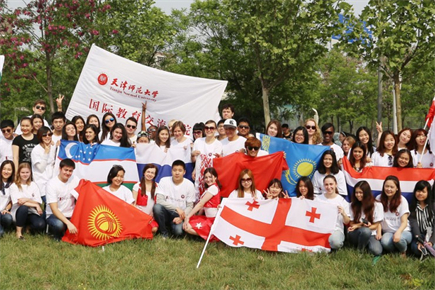 TNU adheres to open education and conducts extensive international exchanges and cooperation. It proactively connects the Belt and Road Initiative, and actively serves the national strategy of "Chinese culture going global".
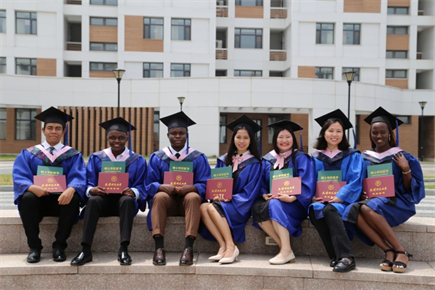 TNU cooperates with countries including Russia, Japan, and South Korea to build four Sino-foreign cooperative education projects, and its scale of international student training ranks among the top in Tianjin.
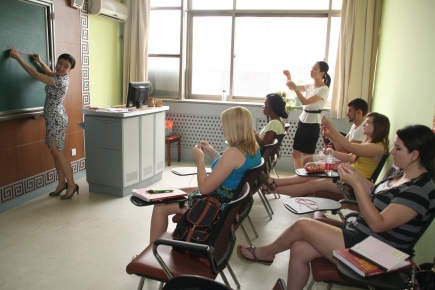 TNU adheres to open education and conducts extensive international exchanges and cooperation. It proactively connects the Belt and Road Initiative.