Associate Professor Wang Yufen from the School of Physics and Materials Scienceat Tianjin Normal University (TNU) has published a paper in Advanced Functional Materials. The article explores the applications of zirconium-based metal-organic frameworks (Zr-MOFs) in batteries, supercapacitors, electrocatalysis—including the hydrogen evolution reaction (HER), oxygen reduction reaction (ORR), and CO₂ reduction reaction (CO₂RR)—as well as in solid-state electrolytes. It highlights the latest advancements and design strategies for enhancing electrochemical performance and points out that future research should focus on exploring dynamic mechanisms, conducting multi-field coupling analysis, and designing intelligent materials to fully realize the potential of Zr-MOFs. Despite persistent challenges in conductivity and scalable synthesis, Zr-MOFs, with their unparalleled structural tunability and stability, pave a new pathway for the development of sustainable energy technologies.
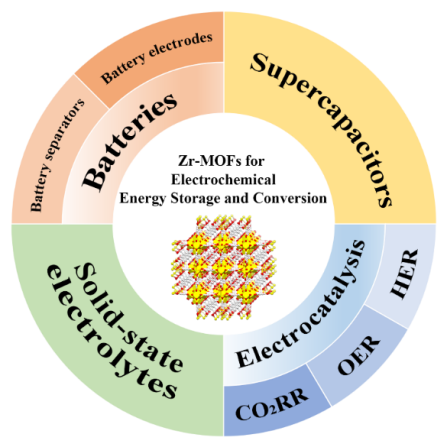
Figure 1. Schematic illustration of applications for Zr-MOFs materials in various fields.
The article notes that although Zr-MOFs possess outstanding characteristics such as high specific surface area, tunable pore structures, and chemical stability, yet challenges persist, including intrinsic low conductivity and difficulties of scalable synthesis. Future research should employ innovative methods—including exploration of dynamic mechanisms, development of multifunctional composite materials, and construction of intelligent adaptive systems—to overcome these technical bottlenecks. Through material design and device integration, Zr-MOFs are poised to drive innovation in next-generation energy systems, contributing significantly to a sustainable energy future.
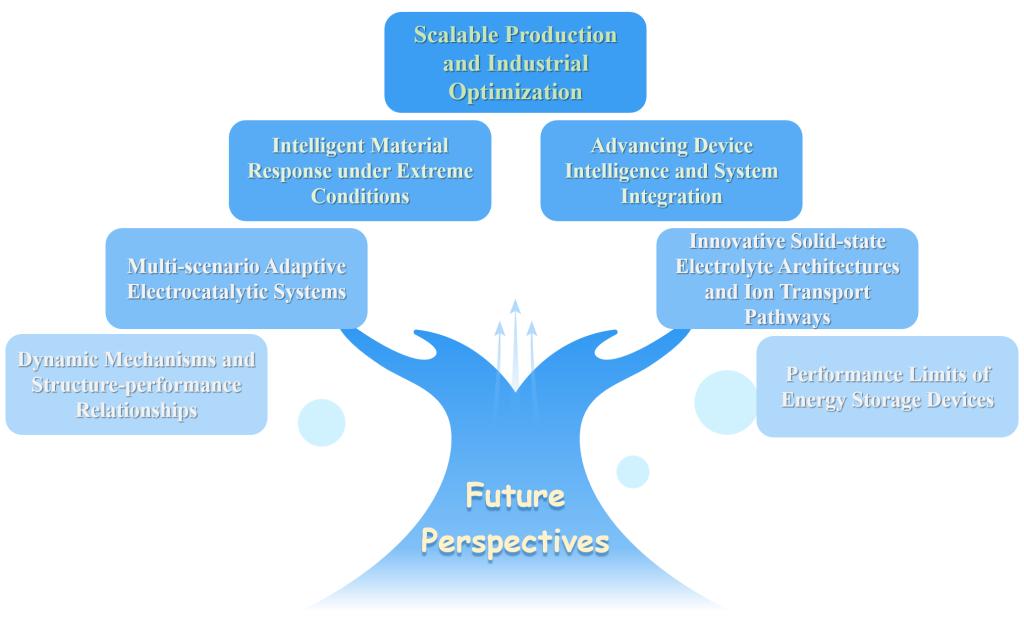
Figure 2. Future development directions for Zr-MOFs-based energy storage devices.
This achievement, entitled "From Pores to Power: Design Strategies and Emerging Applications of Zirconium-Based Metal-Organic Frameworks in Electrochemical Energy Storage and Conversion," has been published in the journal Advanced Functional Materials. Wang Yufen is the first corresponding author, her supervised graduate student is the first author, and TNU is the primary affiliation. Nankai University and Tsinghua University are collaborative corresponding affiliations. The work was supported by the National Key Research and Development Program of China (2019YFA0705703) and the National Natural Science Foundation of China (22201137, 22371137, 22279070).
Article link: http://doi.org/10.1002/adfm.202523401
By He Jierui



 TNU is the only one of its kind in Tianjin that focuses on training high-quality teachers for basic education. It has rich educational resources, excellent facilities and equipment, a strong humanistic spirit, a beautiful and elegant environment.
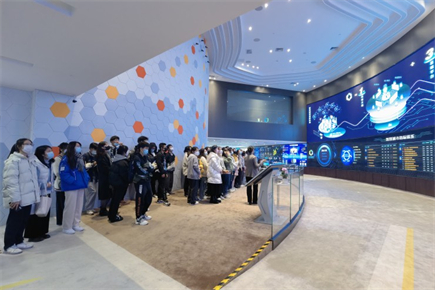 TNU has a complete range of disciplines and has outstanding advantages in its majors and has made significant achievements in cultivating talents.
 TNU has a strong research capacity with abundant high-quality research practice bases. They have been approved for over 300 national-level projects and won numerous national awards for outstanding achievements.
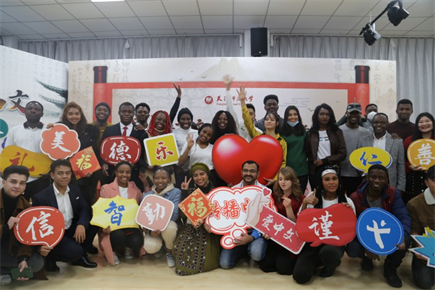 Read all of our latest news and opinion articles, and find out about our upcoming events which can enrich your life at TNU.
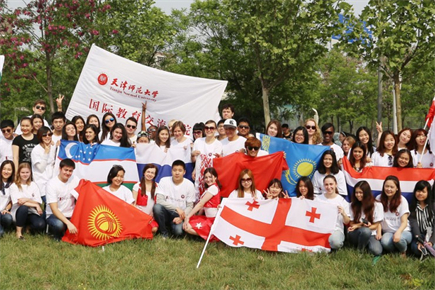 TNU adheres to open education and conducts extensive international exchanges and cooperation. It proactively connects the Belt and Road Initiative, and actively serves the national strategy of "Chinese culture going global".
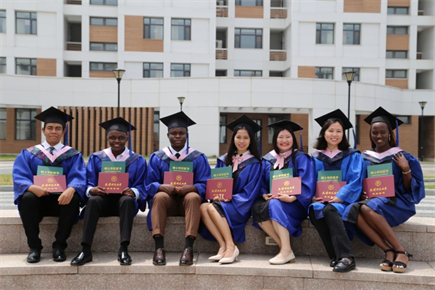 TNU cooperates with countries including Russia, Japan, and South Korea to build four Sino-foreign cooperative education projects, and its scale of international student training ranks among the top in Tianjin.
 TNU adheres to open education and conducts extensive international exchanges and cooperation. It proactively connects the Belt and Road Initiative.